When you discover bees moving into a wall, roof void, or tree hollow, the clock starts ticking. A few exploratory foragers can become 30,000 residents by midsummer. Left alone, a colony will build heavy honeycomb, saturate wood with honey and propolis, and invite secondary pests. Done wrong, removal can harm pollinators, damage the structure, and leave a mess that attracts a new swarm next season. Done right, bee colony removal protects people and property while preserving the bees for relocation.
I have opened more walls than I can count to remove honey bee colonies, from century homes with plaster and lathe to modern stucco over foam. I have crawled attics in August heat, lowered comb from chimneys, and coaxed swarms into boxes on schoolyards. The work blends carpentry, entomology, and patience. Below is a practical guide to safe extraction and thorough cleanup, with the tradeoffs you only learn after a few dozen cutouts.
Humane removal beats extermination
Honey bees are a managed livestock species as much as a wild insect. A typical colony pollinates millions of flowers each day and can be relocated to an apiary to live on. Bee extermination can feel like a quick fix, but it often leaves behind pounds of uncapped honey and brood that rot and drip through drywall, stain soffits, and lure rodents, ants, and small hive beetles. It also does not remove pheromone trails, so a fresh swarm may move into that scented void next spring.
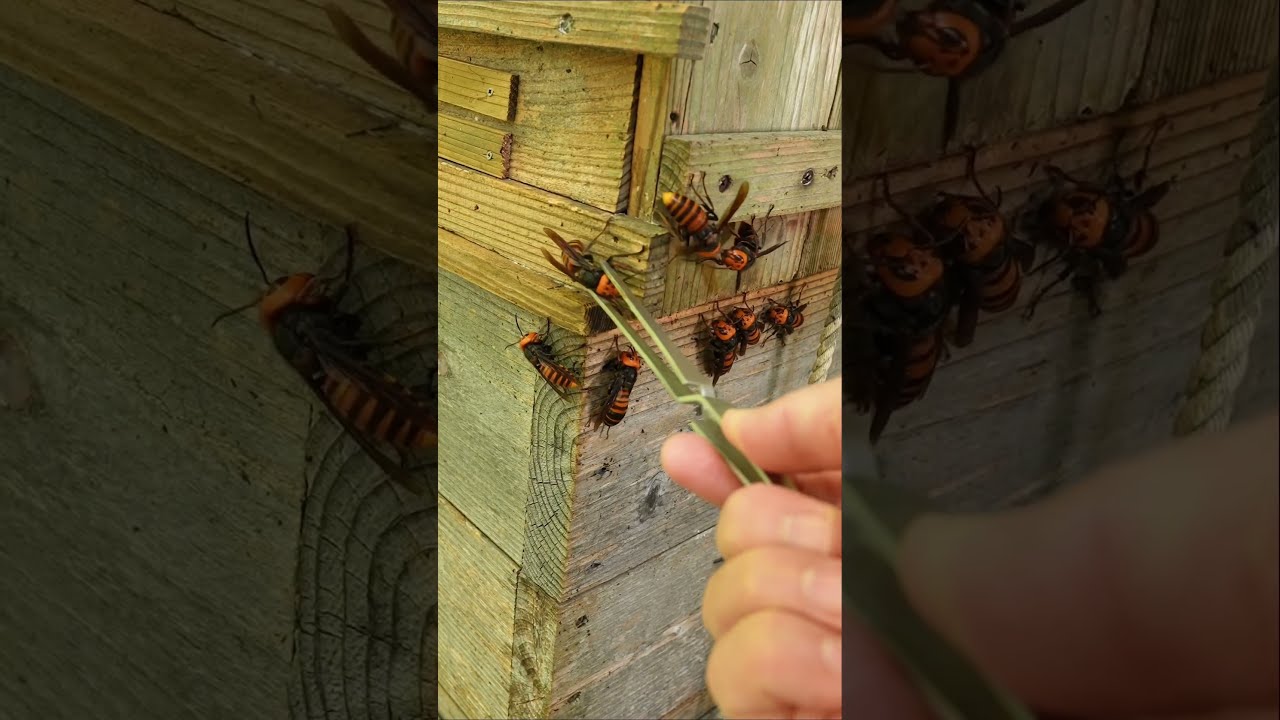
There are situations where extermination is considered, usually when access is impossible without major demolition or when non-honey bees like European hornets are misidentified. Even then, a seasoned bee removal service will explore other options first: trap-outs, limited-access vacuuming, or timed swarm capture. If you are searching for bee removal near me, ask providers about their approach to live bee removal and cleanup, not just how fast they can spray.
Quick context on bee behavior and timing
Knowing what you are seeing matters. A cluster of bees hanging from a branch like a football is a swarm. They are transient, usually gentle, and can be collected quickly. A steady stream of bees entering a crack in siding or a gap under the roof often signals an established colony. That is a different project entirely.
Time of day influences success. Early morning and late evening are ideal for consolidation, since more foragers are home. Hot midday cutouts in an attic are hard on bees and people. Weather helps too. Cool, overcast days calm bees and reduce drifting. On emergency bee removal calls where a colony is exposed by storm damage, I prefer to stabilize and return at dusk to collect stragglers.
Safety for homeowners and bystanders
Before any professional bee removal begins, stabilize the scene and protect people. Many calls come in after a homeowner sprays the entrance and is surprised when agitated guard bees escalate the situation. You can avoid that spiral with a few early moves.
Essential steps for safety at the discovery stage:
- Keep 15 to 20 feet of distance from the entrance or swarm, and greater separation for known allergy sufferers or pets. Do not seal, caulk, or spray the entrance. Trapped bees will look for light and may push into the living space. If bees are entering indoors, close interior doors, tape thresholds, and cover HVAC returns in that room to isolate airflow. Note the entrance location and any attic or crawl space access so a technician can plan a path. Call a licensed bee removal company that offers safe bee removal and cleanup, and provide photos if possible.
That short list solves half the headaches I see on residential bee removal calls. It also gives the responding technician a cleaner canvas.
Site assessment that prevents surprises
A good bee inspection service does more than confirm there are bees. I start with a 360 degree walkaround and look for multiple entrances, old staining on siding, and heat signatures. A thermal camera often shows brood warmth through drywall, a streak of 93 to 97 F that shapes the nest map before any cuts. In finished spaces, a small boroscope through a paint-matched hole can confirm honeycomb without exploratory demolition.
In attics, I check roof ventilation, wiring, and insulation depth. In chimneys, an inspection mirror or camera head goes up from the cleanout first. In trees, I read the grain and rot pockets to decide if a trap-out is smarter than cutting. On commercial properties, I assess foot traffic, exit routes, and signage needs. For industrial bee removal, roof permits and safety tie-offs add another layer. A thorough assessment is the backbone of professional bee removal because it aligns method with context.
Picking the right method: swarm, cutout, trap-out, or targeted vacuum
Not all bee removal is the same. Matching technique to situation saves bees and reduces repair costs.
Swarms are the simplest. They gather while scouts hunt for a new home. The cluster is centered around the queen, who is heavy with pheromone and not inclined to fly. I position a nuc box or full hive body directly under the cluster, shake or brush the mass so most bees drop in, and then place the box nearby with the entrance open. Within an hour, the march begins. By dusk, if the queen is inside, the rest follow. Same day bee removal is routine for swarms, and a swarm removal service usually does not require cutting or repair.
Established colonies inside structures require cutouts. This is the bread and butter of bee hive removal from walls, soffits, or ceilings. I isolate electrical circuits in the work zone, protect floors with ram board and plastic, and make controlled cuts to expose the comb. Each sheet of brood comb is cut to fit foundationless frames and rubber-banded or clipped in place. Honey comb goes into food-grade buckets. A bee vacuum, set to low suction and large airflow, collects loose bees without injury. Finding and securing the queen is a priority. If she walks onto a frame in the relocation box, the colony stabilizes quickly.
Trap-outs are slower but useful when opening the structure is impossible or undesirable. I install a one-way cone at the entrance and place a hive box nearby with bait comb. Foragers exit but cannot return through the cone, so they adopt the new hive. Over 4 to 8 weeks, the original nest dwindles. This method requires discipline and return visits, and it may not preserve the original queen or brood, but it avoids demolition on historic facades and delicate finishes.
Targeted vacuum retrieval works for exposed clusters in tight spaces like the corner of a garage door frame or behind decorative trim. With a small, low-suction bee extraction system and screened collection box, I can remove adult bees, then follow with selective opening for comb removal. It is not a cure-all, but it buys time and reduces defensive pressure around entrances before a full cutout.
Specialized scenarios and how I approach them
Remove bees from wall cavities. I map stud layout with a stud finder and small pilot holes to avoid cutting across wiring or plumbing. In older homes, plaster keys demand a different blade and dust control, and I often use a vacuum shroud to cut clean lines. The key is to open the full footprint of the nest so every last comb and smear of propolis can be cleaned.
Remove bees from attic spaces. Heat control becomes the challenge. I schedule early, stage lights with cool LEDs, and create airflow with filtered negative-pressure fans. Bees drift toward light, so I black out gable vents with screening and leave a single lit exit near the collection box to encourage orderly movement.
Remove bees from roof voids and soffits. Roofs introduce fall risk and leak paths. I coordinate with a roofer when shingles, tiles, or metal panels must be lifted, and I mark underlayment cuts so patching is watertight. Bees love soffit returns where warm air gathers. I remove fascia carefully, save each piece, and number them for exact reassembly.
Remove bees from chimney flues. Clay liners can host comb for many feet. From the top, I stage a secure ladder, set roof anchors, and remove the cap. From the cleanout, I catch falling debris in bins. I lower a long, smooth scraper to peel comb without scoring the liner. After extraction, I install a bee-proof stainless cap with fine mesh and seal gaps at the crown.
Remove bees from tree trunks. If the tree is to be preserved, a trap-out is usually best. Cutting a window into a living tree invites rot and compromises structure. For removals during scheduled felling, I time the cut to access the hollow and collect brood, then close the cavity with breathable material if the stump remains. Live bee removal from trees benefits from a patient schedule and good neighbor communication.
Remove bees from vents, soffits, or siding laps. Small entrances hide big nests. I widen access only as needed to follow comb, then rebuild with proper flashing and sealant. Shortcuts with foam or caulk before removal push bees indoors, an avoidable headache.
Tools and materials that make the work humane and clean
Professional bee removal is not just a veil and a spray bottle. On a typical job I bring:
- Protective gear sized for all crew, including ventilated suits for summer heat. A bee vacuum with variable control and a deep catch box lined with frames to reduce crowding. Nuc boxes and full hive bodies with frames, rubber bands or comb clips, and entrance reducers for transport. Thermal camera and inspection camera for non-destructive locating. Oscillating tools with fine-tooth blades, HEPA vacuums, and dust control sheeting to keep homes livable. Food-grade buckets and strainers for honeycomb, labeled by batch to manage weight and avoid spills. Enzymatic cleaners and alcohol-based propolis removers that cut scent residues. Construction materials for immediate repairs: backer board, plywood, rigid foam, flashing, sealants, and paint.
Purpose-built tools reduce bee mortality and protect finishes. An adjustable bee vacuum is the difference between a calm collection and a box of injured workers. Clean blades make cleaner cuts that patch better. Labeling helps the homeowner understand what came out and where it went.
The heart of the job: finding the queen and moving the brood
Colony behavior pivots on the queen’s pheromones and the brood nest. If I capture the queen early and transfer brood comb into frames, the colony orients to the new hive. Without brood, bees may abscond. I work from the warmest center of the comb outward. Brood comb is darker and holds together better than fresh white honeycomb. I keep comb vertical to avoid sag, clip it into frames, and space those frames in the transport box so air can circulate.
If the queen is not immediately visible, I create a temporary nursery at the worksite. I place brood frames and the bee-filled catch box on a stand near the original entrance and give them an enticing entrance with a bit of drawn comb. Workers fan at the entrance, and within an hour the queen often appears or the cluster consolidates enough to find her. Patience here reduces overall stress.
Cleanup is not optional: removing comb, scent, and residue
Honey, wax, pollen, propolis, and bee bread all carry strong odors. If you leave any of it behind, scout bees will key in on that void again. After comb removal, I scrape the cavity back to clean wood or masonry. I bag debris immediately and keep it sealed. On rough surfaces, a light pass with a heat gun softens wax for wiping, but you have to control heat to avoid damage. I wash surfaces with a mild alkaline cleaner or an enzymatic product that breaks down sugars and proteins. Bleach is a poor choice because it masks scent briefly but does not dissolve wax.
When honey has soaked insulation, I pull all affected batts and replace them. In wall cavities, I may install a temporary catch pan while the final drips finish over 24 to 48 hours, then return to remove the pan and close the wall. In chimneys, I rinse the liner with warm water and squeegee. The goal is zero residue. Anything sweet left behind invites ants and roaches, and any beeswax perfume invites a new colony.
Repairs and exclusion to prevent a repeat
Once the space is clean and dry, I rebuild. Structural members weakened by rot from long-term moisture get sistered or replaced. I seal unintended gaps with backer rod and high-quality sealant, not foam alone. Foam is a filler, not a weather barrier. I reinstall vapor barriers that were cut during access, and I close with materials that match the home. On exteriors, I add flashing to stop driven rain that attracted the bees in the first place. In soffits and vents, I fit stainless or galvanized mesh small enough to block bees but large enough to allow ventilation.
Exclusion is part art. Bees can slip through a gap the thickness of a pencil. That does not mean you caulk every seam. Buildings need to breathe. A bee control service with building know-how will protect design airflow while removing pathways that smell like a home to scouts.
Where the bees go: relocation and aftercare
Relocated bees are not simply dumped in a field. I place the colony in a managed apiary at least 3 to 5 miles away to prevent drift back to the original site. The hive gets a reduced entrance for a few days while it settles, feed if nectar is scarce, and a health check after a week. Cutout colonies often need a comb reset. Over the next month, I replace rubber bands and clips as the bees attach comb to frames, and I watch for small hive beetle or wax moth pressures that can spike after stress.

If the original queen did not make the move, the colony may raise a new one from young larvae in transferred brood. That adds a few weeks before brood resumes. Communicating this timeline with property owners helps set expectations. Honey from cutouts is often uncapped and contaminated with drywall dust, so I do not bottle it for food. It usually becomes feed for the bees or gets discarded according to local rules.
Residential, commercial, and industrial settings each add twists
Remove bees from house walls differs from remove bees from a warehouse facade. In homes, containment and cleanliness are paramount. Pets and kids need safe zones. Furniture needs protection. In commercial bee removal, I plan around business hours, set safety perimeters, and coordinate with property managers. In industrial bee removal, roof access and Buffalo, NY bee removal confined spaces require permits and extra hands. A licensed bee removal provider with insured crews keeps everyone covered and makes the property manager’s life easier.
Cost, timing, and what drives the estimate
People often ask for a bee removal estimate over the phone. A ballpark helps, but site realities drive price. A swarm on a low branch might be an affordable bee removal service call. A multi-year colony behind brick is different. Same day bee hive removal is possible for swarms and accessible nests. Full cutouts with cleanup and carpentry can run a full day or more and may require return visits.
Key factors that shape bee removal cost:
- Access complexity and height, including roof pitch, chimney caps, and interior finishes to be protected and restored. Colony age and size, which affect the amount of comb and honey to remove and the time on site. Location within the structure, especially if utilities need to be de-energized or rerouted for safe work. Cleanup and repair scope, from simple drywall patching to custom stucco, tile, or historic woodwork. Scheduling urgency for emergency bee removal or 24 hour bee removal, which can add after-hours rates.
A reputable bee removal company will offer a clear bee removal quote after inspection, outline methods, and spell out what repairs are included. Cheap bee removal that skips cleanup is not low cost in the long run.
When DIY works, and when it really does not
Capturing a swarm from a small shrub can be a satisfying weekend project if you have basic gear and no allergies. There are tutorials on how to remove bees from a branch with a cardboard box and a sheet. That said, remove bees from wall or attic cavities is a different animal. Opening structures safely, managing thousands of insects under stress, and cleaning residue take skill and equipment. I have fixed many enthusiastic attempts where foam sealed the entrance, bees found a light path into a bedroom, and an exterminator sprayed. The result was a dead colony in the wall and a long, smelly cleanup.
If you suspect a nest indoors, resist the urge to tape, foam, or spray. Call a local bee removal service for a bee removal consultation. An hour of expert eyes can save you days of work and keep the colony alive for relocation.
On wasps, hornets, and misidentification
Not every stinging insect is a honey bee. Paper wasps build open, umbrella-shaped combs, often visible under eaves. Yellowjackets nest in ground cavities or wall voids and are more aggressive around food. European hornets are large, fly at night, and sometimes chew bark. Honey bees are fuzzy, with golden bands and a steady, purposeful flight. A bee inspection service can identify species quickly. Humane bee nest removal is the standard for honey bees. Wasps and hornets call for different control, and in some regions they may require targeted extermination for safety. Mixing up species leads to poor outcomes.
What a full-service visit looks like
A typical professional beehive removal service call for an established colony unfolds in a rhythm. Arrival, assessment, and safety briefing come first. The crew suits up, isolates work zones, and lays down protection. Access cuts reveal the nest, and the hum rises. Brood goes into frames, honey into buckets, adult bees into the collection box. Someone watches for the queen. As the box fills, workers begin to fan at the entrance. The room gets calmer. Scraping and washing follow, then repairs and sealing. By late afternoon, the relocation box rides to the apiary for overnight placement. A sunset visit back at the house catches stragglers and final sealing. The homeowner sleeps without a buzzing wall, and the bees wake up to a new home.
Emergency, same day, and 24 hour calls
Urgent bee removal usually means bees in living spaces, a swarm in a public walkway, or a colony exposed after a storm or demolition. Response time matters because agitated bees make poor neighbors. A top rated bee removal provider will triage calls to stabilize first, relocate second, and schedule finishing work. For nighttime calls, I often stage containment and return at first light to complete extraction when bees cluster naturally. Communicate allergies, pets, and vulnerable occupants when you call, so the team arrives prepared.
Selecting a provider you can trust
Credentials matter. Licensed bee removal and insured bee removal protect you if a ladder slips or a ceiling patch fails. Look for certified bee removal teams that can speak to methods beyond spraying, including live bee removal, bee relocation service partnerships with beekeepers, and honeycomb removal service with repairs. Read reviews for specifics, not just stars. The best bee removal service descriptions mention cleanup, sanitation, and exclusion work, not only getting rid of bees.
I often tell property owners to ask three questions. Will you remove all comb and sanitize the cavity, not just the bees. Can you show before and after photos of similar jobs. What happens to the bees afterward. Straight answers separate bee removal experts from general pest control.
Regional regulations and ethical considerations
Some states restrict honey bee extermination or require permits for structural work. Homeowners associations may have rules on exterior changes. Always check before cutting. Ethically, humane bee removal and eco friendly bee removal practices should be the baseline: relocate when possible, avoid broad-spectrum poisons, and repair in a way that prevents repeat infestations. Organic bee removal is a phrase you will see in marketing, usually indicating no synthetic pesticides used. The real measure is whether the service preserves the colony and leaves the site clean.
The quiet enemies after removal: time and smell
Two silent failures appear when bee removal is rushed. The first is drip. Warm days liquefy residual honey, which follows screws, nail holes, and seams to stain paint and ceilings weeks later. I have seen a gallon migrate in 48 hours. The second is scent. Scout bees can find a cleaned cavity that was not fully deodorized. I have watched a fresh swarm arrive to a site two months after a sloppy job, heading straight for old propolis lines.
That is why I schedule follow-up on complex removals. A quick infrared scan a week later and a sniff at seams tells me if everything is dry and neutral. Homeowners appreciate that extra lap.
Final thoughts from the field
Safe beehive removal is not magic, but it is a craft. It respects how bees think and how buildings breathe. It blends patient handling with decisive cutting, and it never skips cleanup. Whether you need to remove bees from roof voids, remove bees from chimney flues, or remove bees from garden sheds, choose a local bee removal service that treats both sides of the equation: living creatures and living spaces. If you do, you get a quiet house, a tidy repair, and a relocated colony that can thrive in a new place.
If you are staring at a line of bees vanishing into a gap in your siding, resist the caulk. Take a photo, keep your distance, and line up expert bee removal. Your future self and the bees will thank you.